OXBO Energy
OXBO Energy makes closed-loop geothermal financeable — with the measurement rigor, construction standards, and lifecycle software that institutional geothermal requires. Facility executives can specify performance. Capital partners can model returns. Contractors can warrant what they build.
Mission
The ground beneath our feet holds an inexhaustible thermal resource — available everywhere on earth, independent of weather, daylight, or geography. Geoexchange technology is proven. What is not proven is whether the industry can get out of its own way long enough to make it cost-competitive at scale.
OXBO Energy exists to do exactly that — to revolutionize the economics, engineering, and performance of geoexchange by bringing subsurface engineering rigor to an industry that has operated without it.
Vision
The subsurface engineering disciplines have spent decades building some of the most productive and rigorous industrial workflows on earth — measurement systems, formation evaluation methods, construction quality assurance, and performance analytics that geoexchange has never had access to.
OXBO's strategy is to bring that disciplined engineering into geothermal — translating proven subsurface methods into a clean energy context and applying them to a resource that is available everywhere, lasts forever, and has no fuel cost.
This is engineering rigor applied to a new frontier — the same discipline, the same measurement standards, and the same relentless focus on data quality, now driving the cost and risk reduction that makes geothermal energy investable at scale.
The Problem
The borefield represents 40–50% of total geoexchange system cost — the single highest-leverage target for cost reduction. Three categories of compounding error drive systematic overdesign.
~20%
Geologic Uncertainty
Drillers mislabel rock formations at up to a 50% or more error rate. Without proper mineral analysis, thermal property estimates carry massive variance — designers compensate by adding bores.
20–40%
Thermal Simulation Deficiency
Industry simulators use antiquated line-source methods that assume homogeneous subsurface and ignore bore deviation. Every assumption becomes overdesign.
30%+
Poor Quality Input Data
Thermal response test procedures and data are rarely audited for independent QA/QC. The chain of data custody is broken at every handoff.
In mature subsurface engineering disciplines, practitioners accept geologic uncertainty and build sophisticated workflows to characterize it, quantify it, and make decisions under it.
In geoexchange, almost none of that exists. The thermal mathematics of a borefield are directly analogous to pressure-transient analysis — a discipline with decades of rigorous, peer-reviewed development. The tools exist. They have simply never been applied to this industry.
Everyone knows the data is unreliable. The universal response is to overdesign — drill more bores, drill deeper, add margin to every calculation. That margin is real money, and it is the largest reason geoexchange cannot compete on first cost.
The Platform
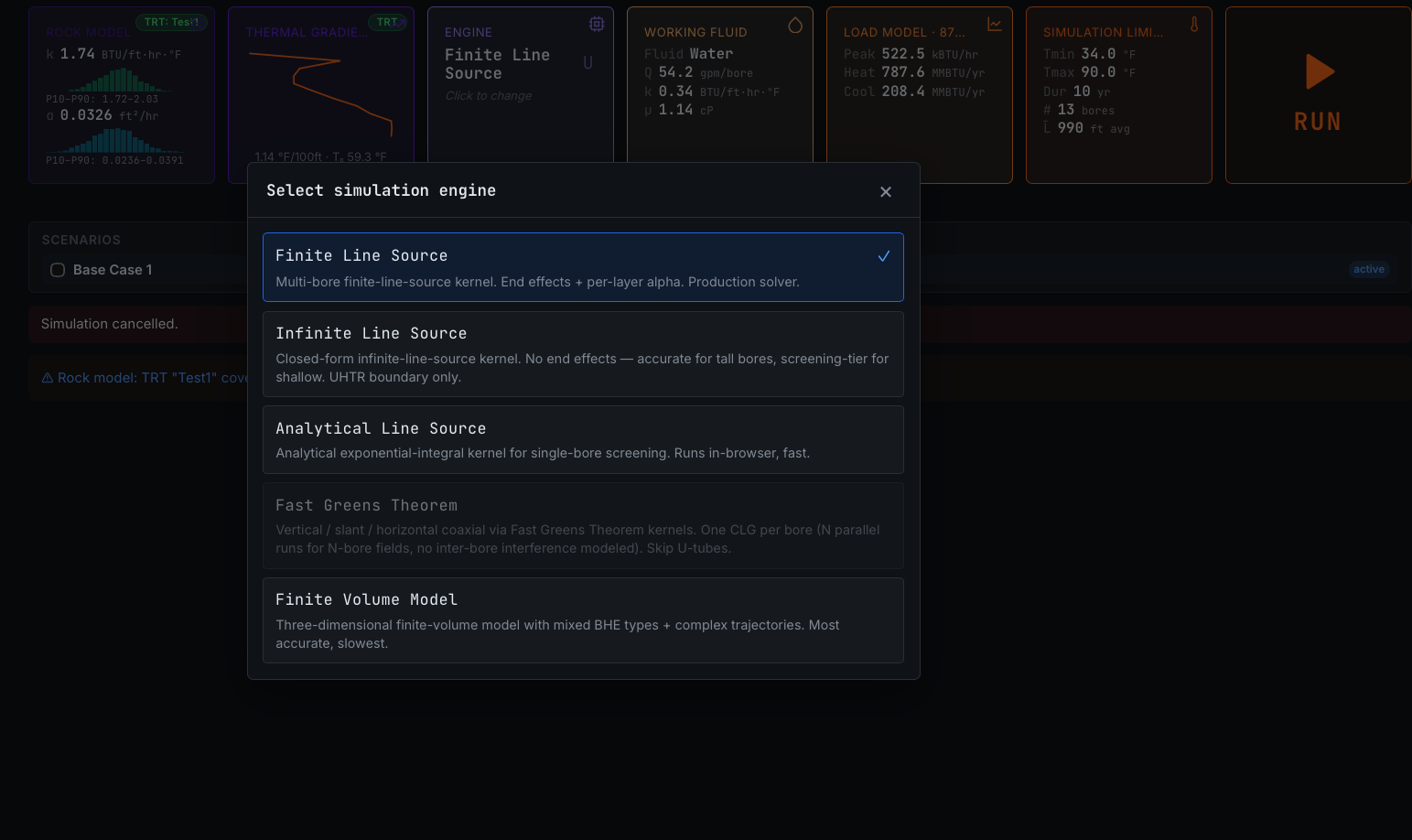
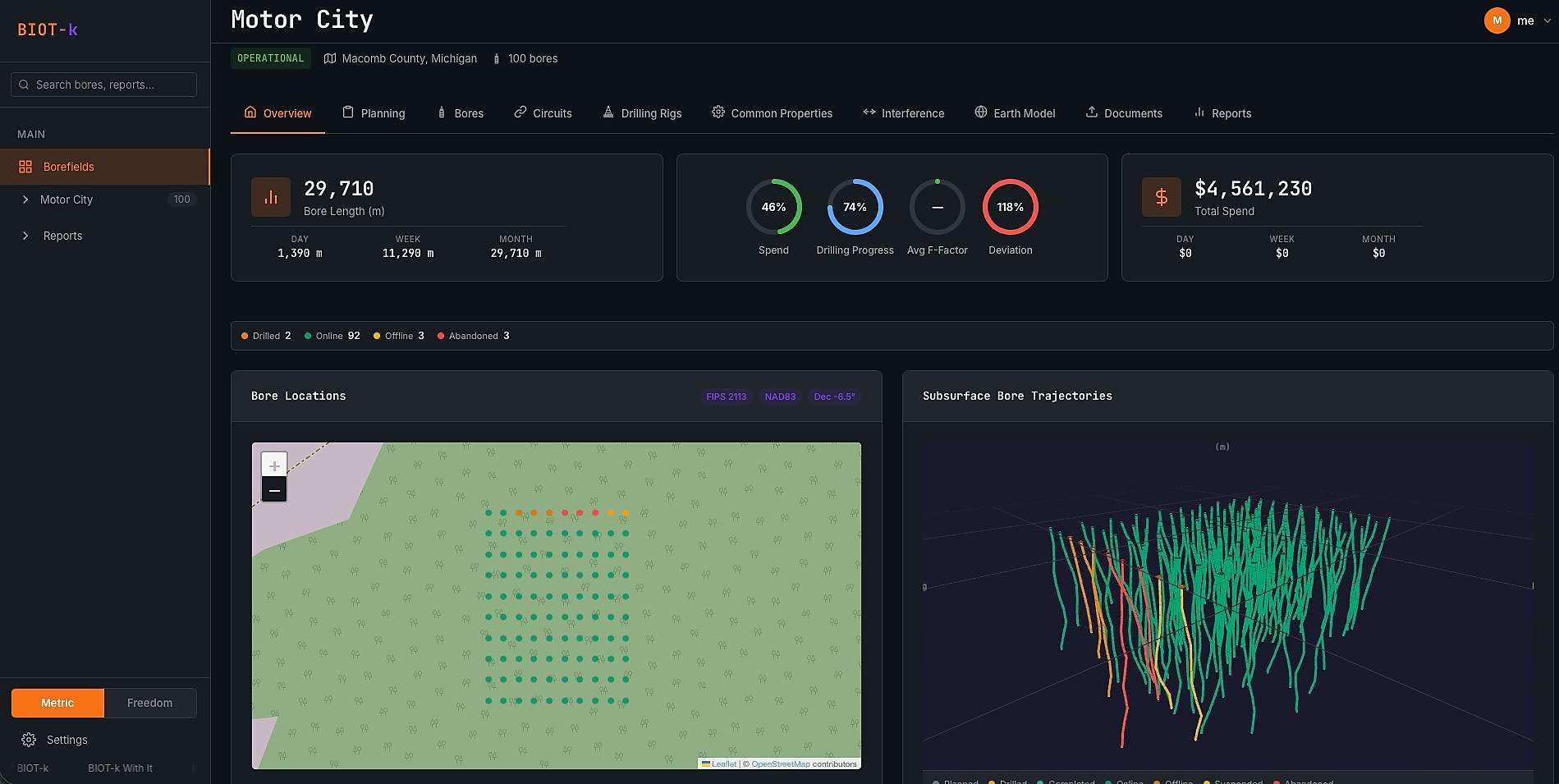
The operating system for geothermal borefield lifecycle management — from GHX design and TRT analysis through construction, operations, and decommissioning. Built for closed loop geothermal, geoexchange, district energy, and BTES projects.
BIOT-κ
/biː oʊˈkeɪ/ — "be okay" · κ = thermal conductivity
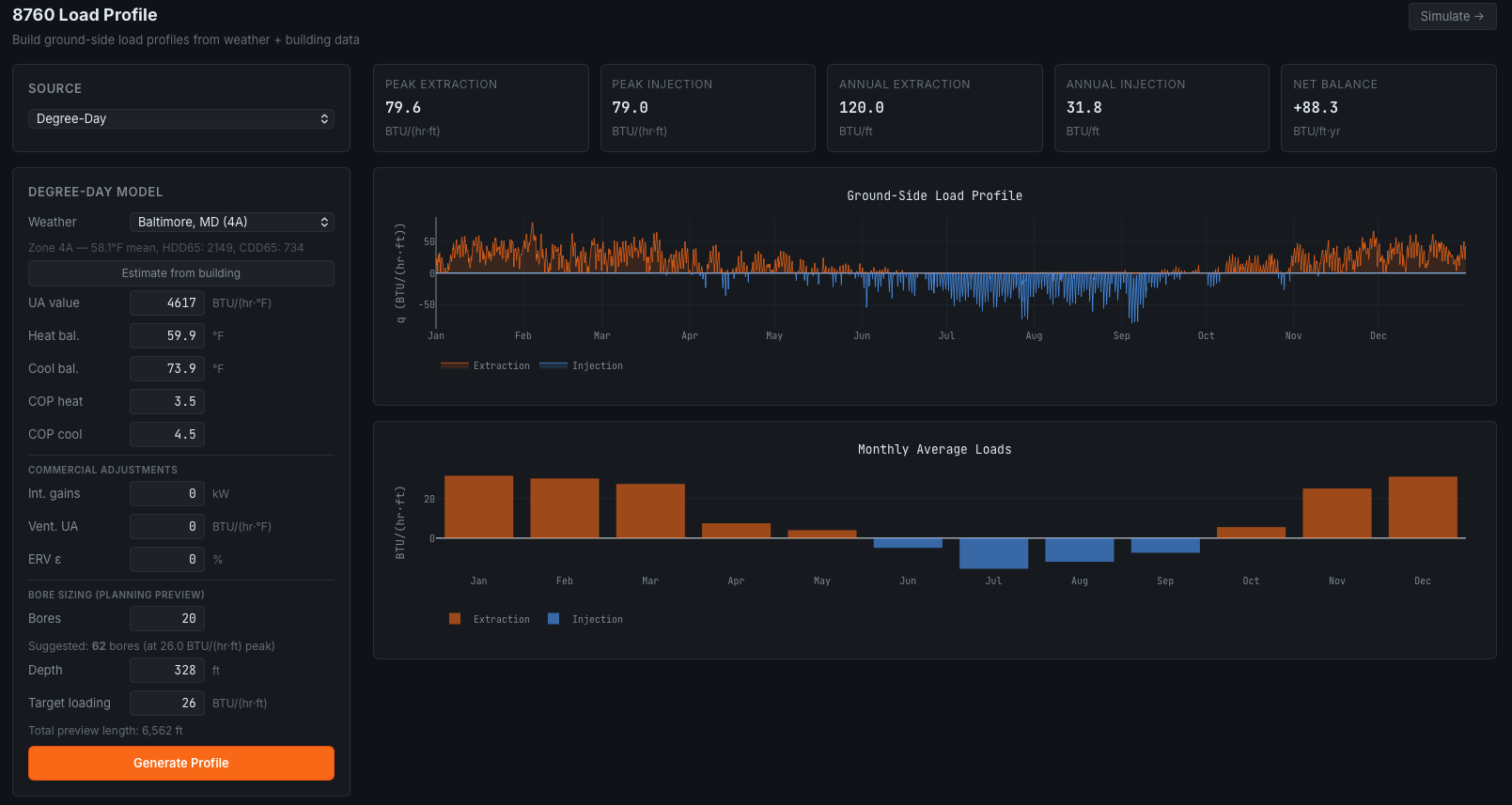
BIOT-κ is the operating system for geothermal borefield lifecycle management — a cloud-based platform that replaces fragmented manual processes with a closed-loop optimization engine spanning design, construction, operations, and decommissioning.
As bores are drilled, real-time thermal test results, geologic logs, and anti-collision models feed back into the design — letting engineers modify layouts and specifications on the fly. Construction becomes a dynamic optimization, not a static plan-and-execute process.
The competition is spreadsheets.
Advanced TRT Analysis
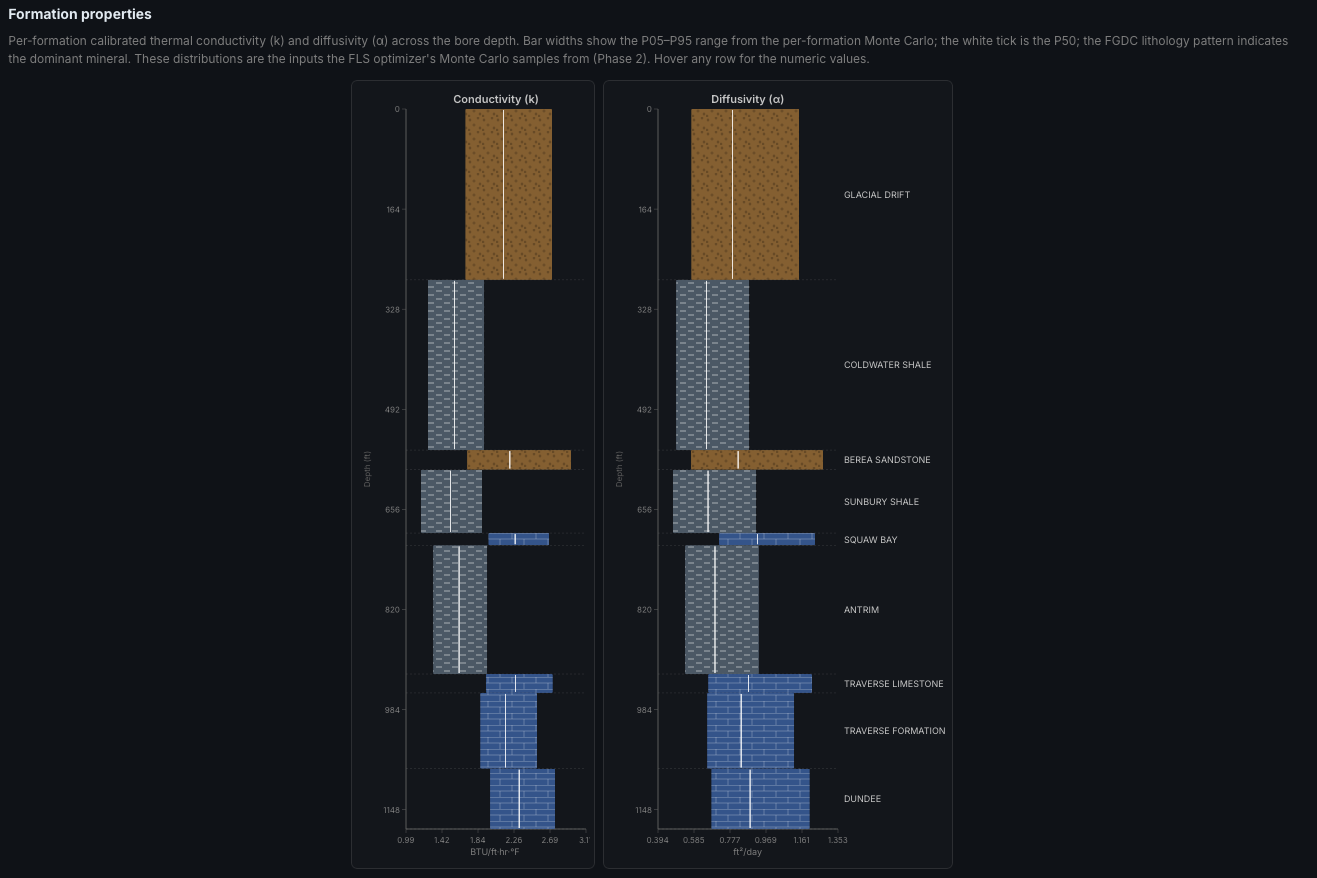
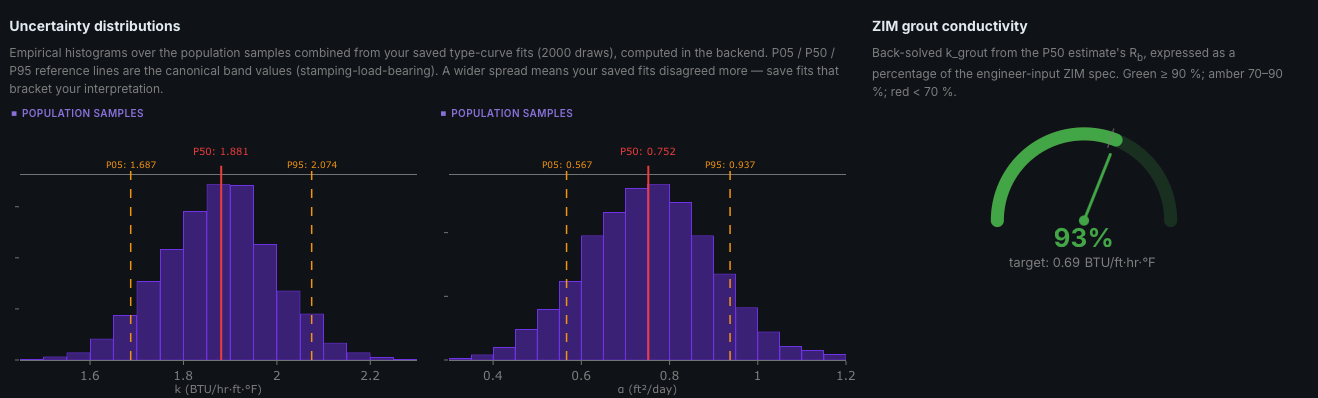
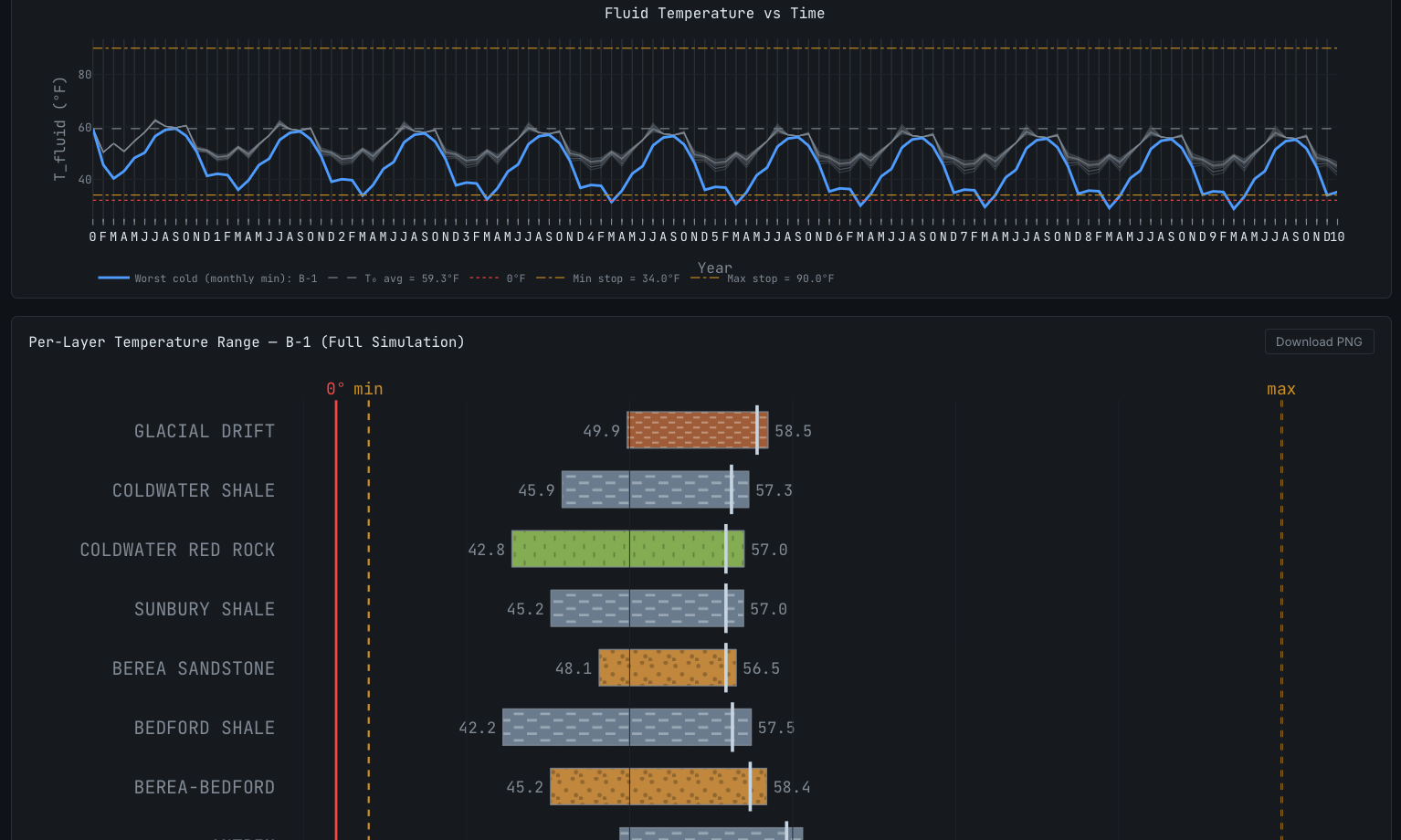
Proprietary thermal transient modeling with Monte Carlo uncertainty quantification. Reduces subsurface characterization error from 20–50% to under 10%.
Anti-Collision & Thermal Interference
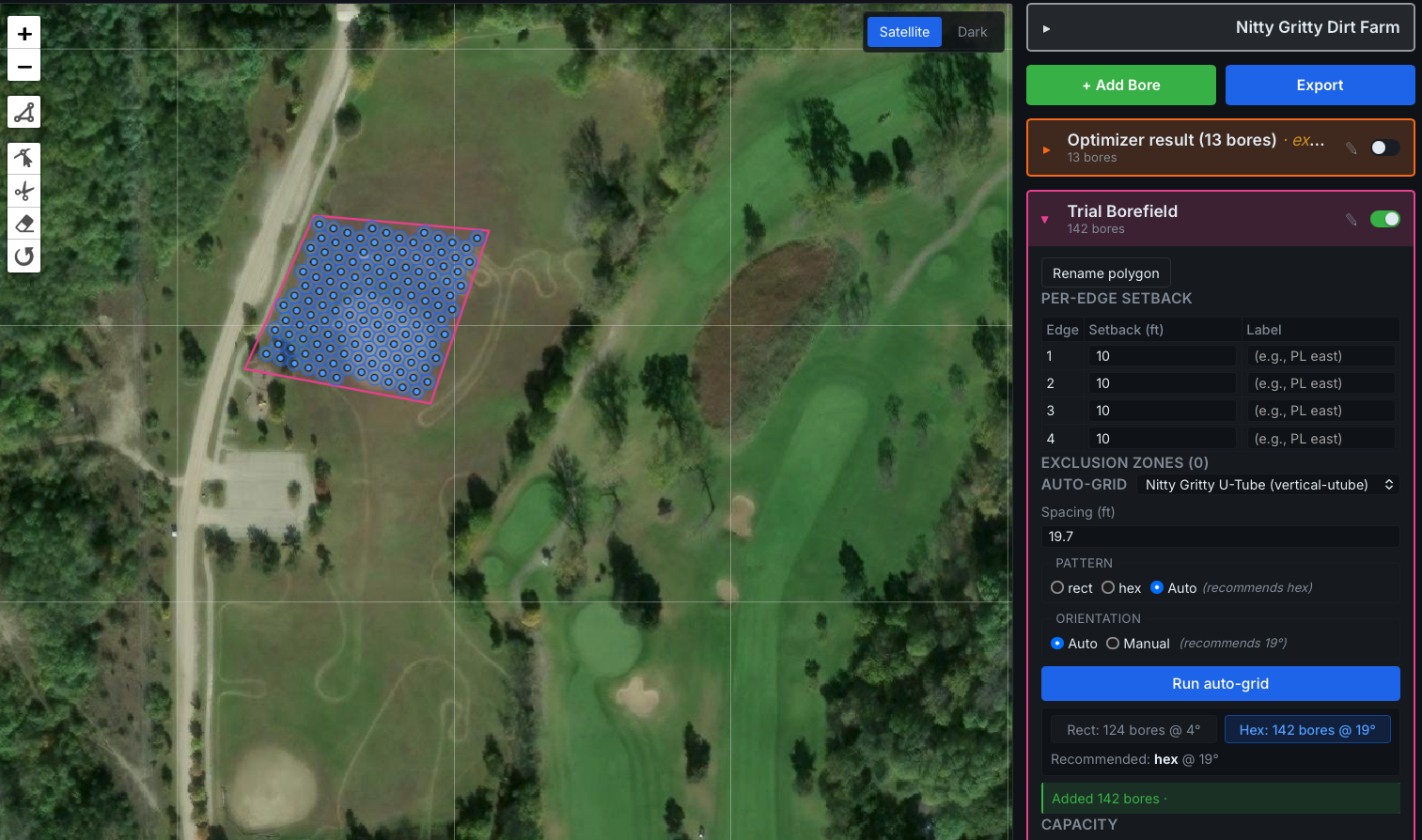
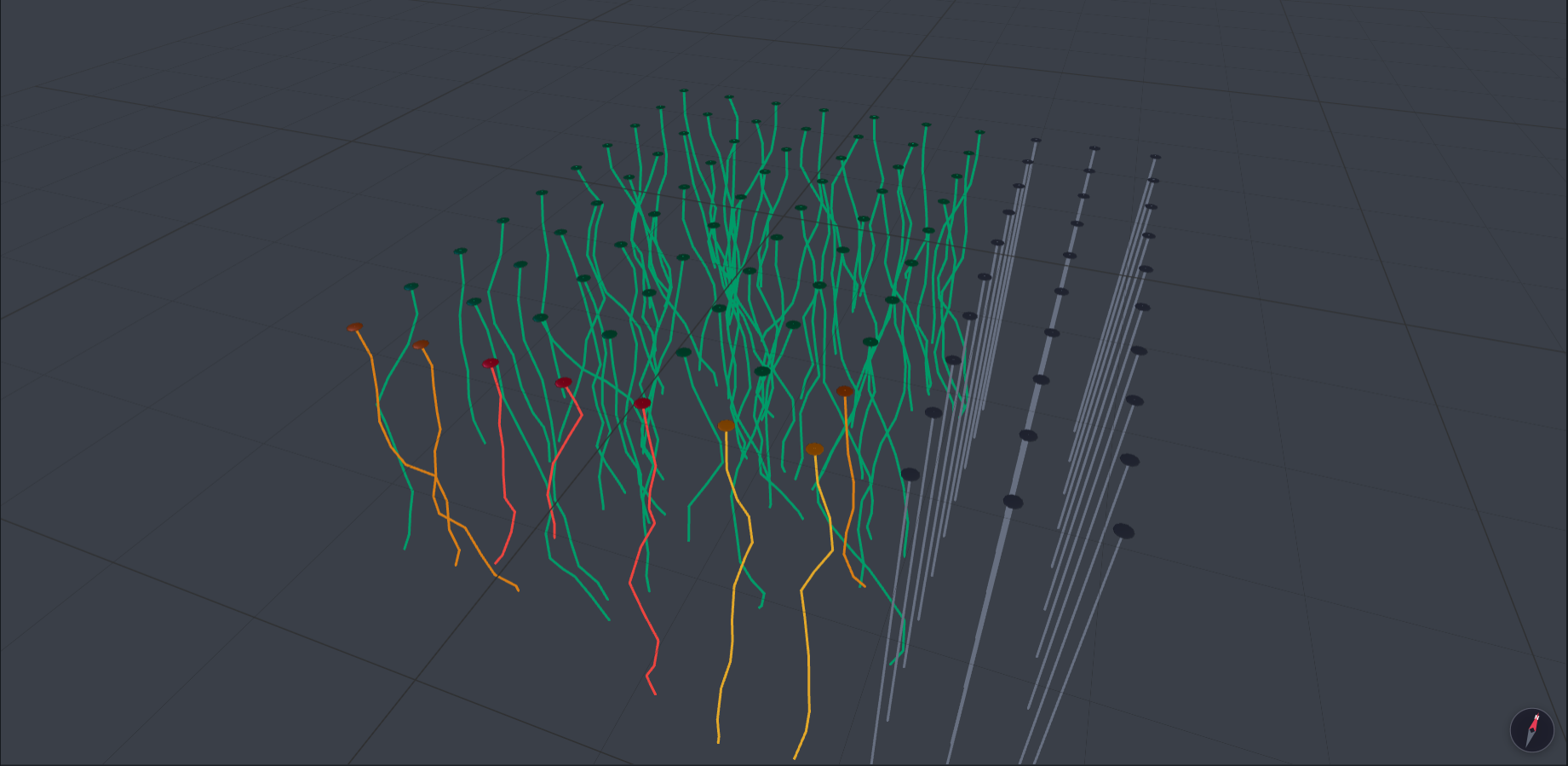
Physics-based bore deviation analysis, geospatial collision detection, and thermal interference modeling. Quantifies reduced capacity per bore based on actual surveyed position.
3D Earth Model & Stratigraphy
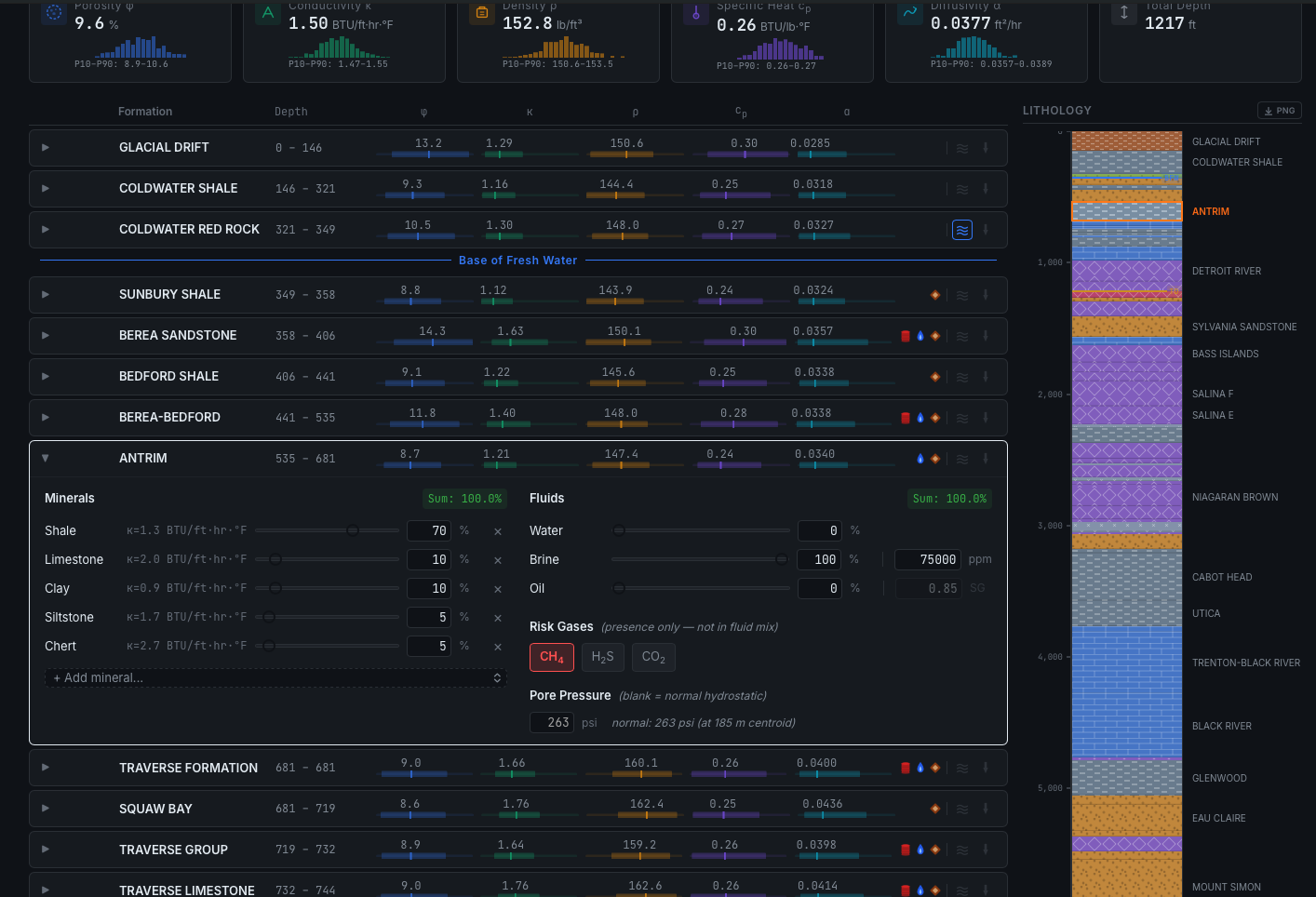
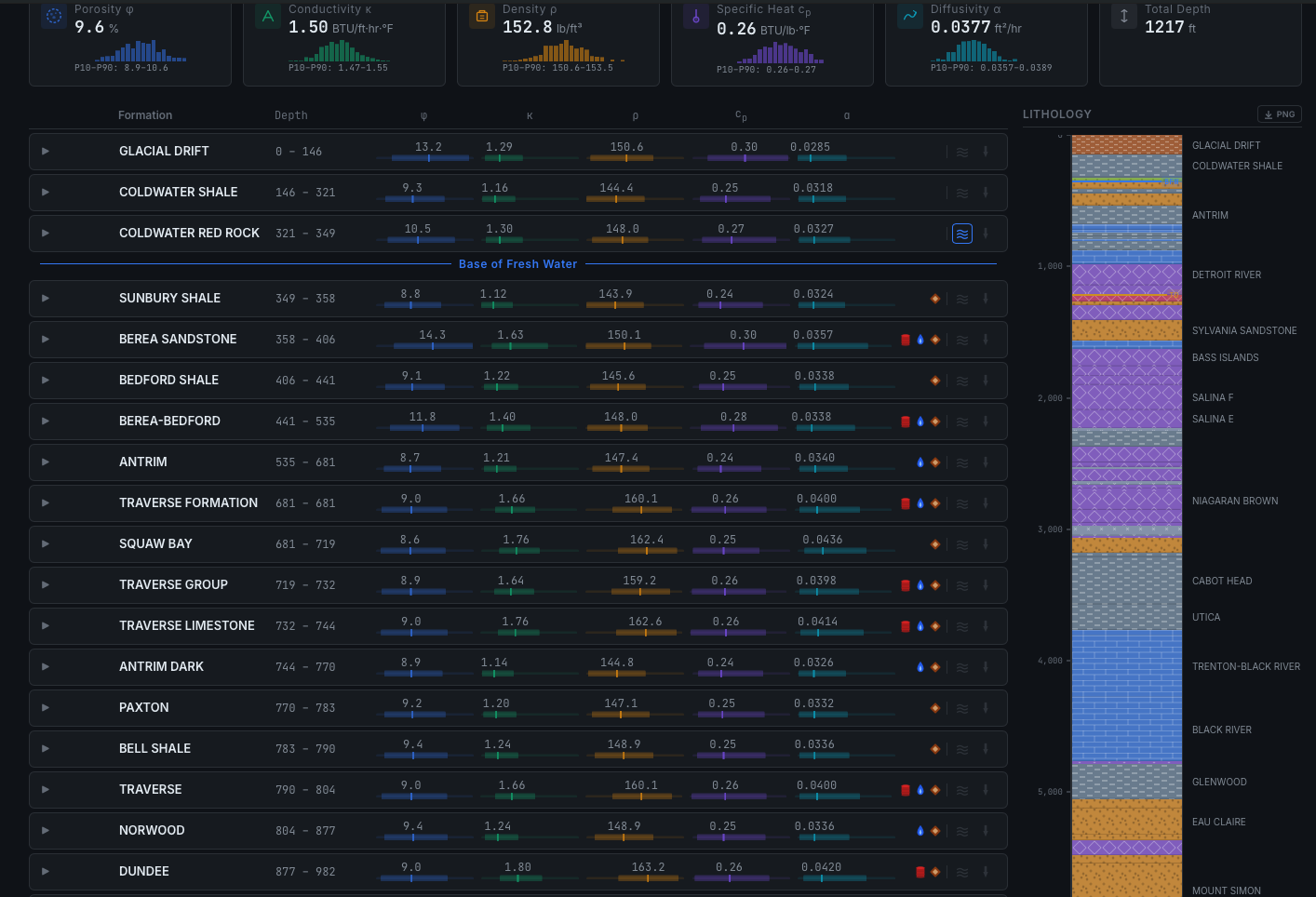
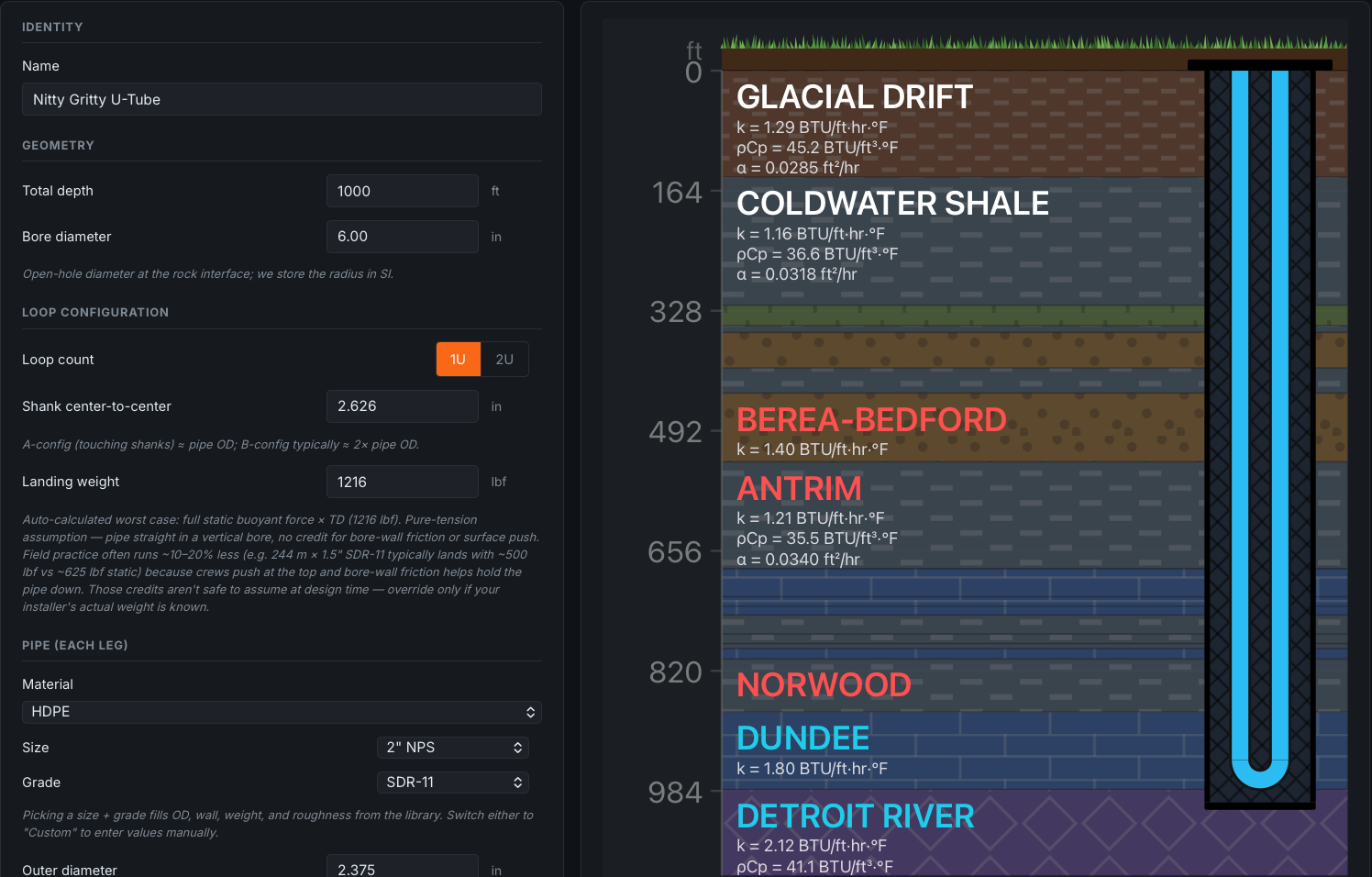
Interactive subsurface visualization built from structured geologic data. Elevation-corrected formation layers with mineral composition and fluid saturations at every bore.
Circuit Mapping & Visualization
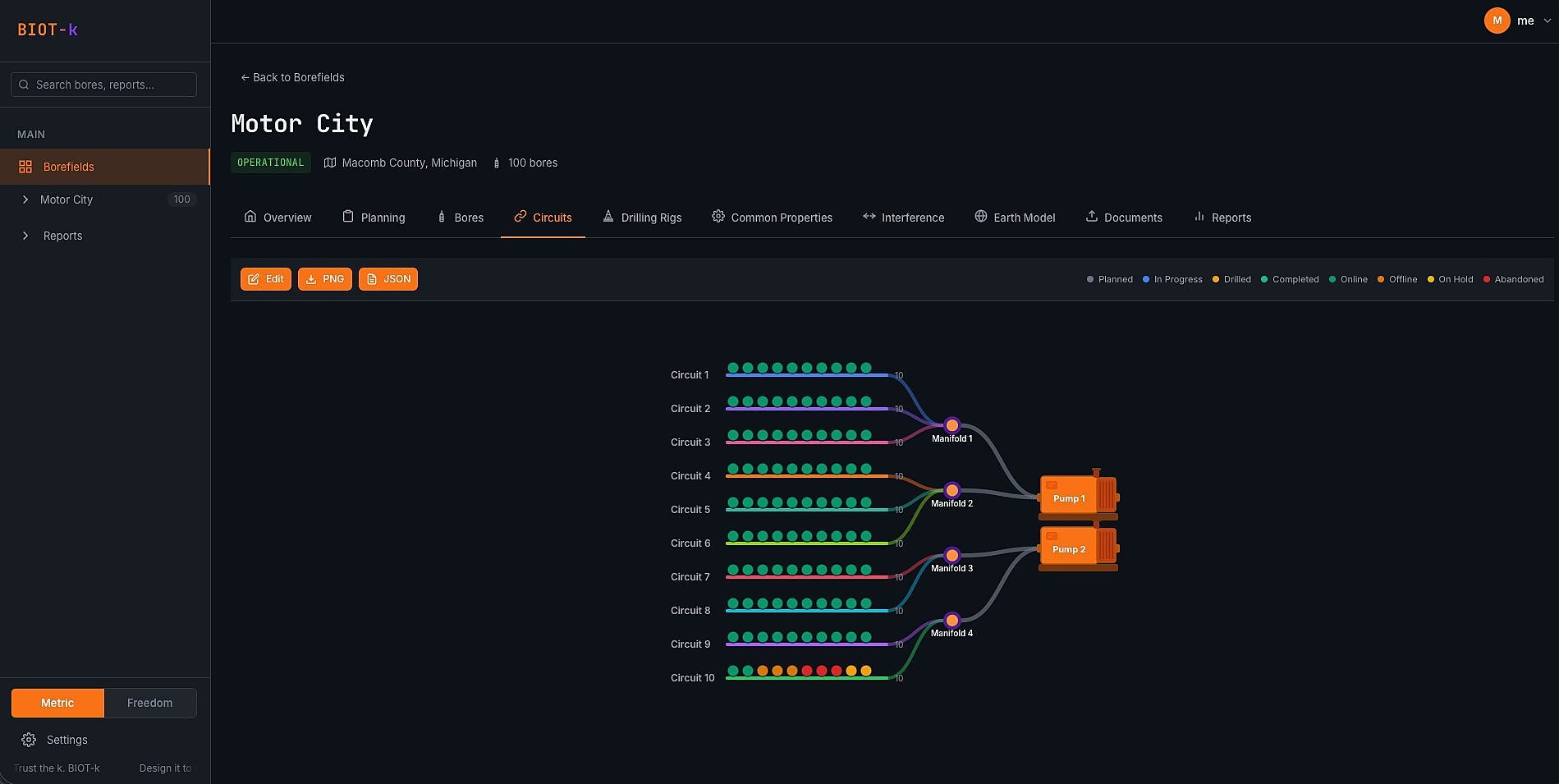
Subway-style borefield network diagrams showing bore-to-circuit-to-manifold-to-pump connectivity, with real-time status tracking and nodal flow analysis.
Lifecycle Data Management
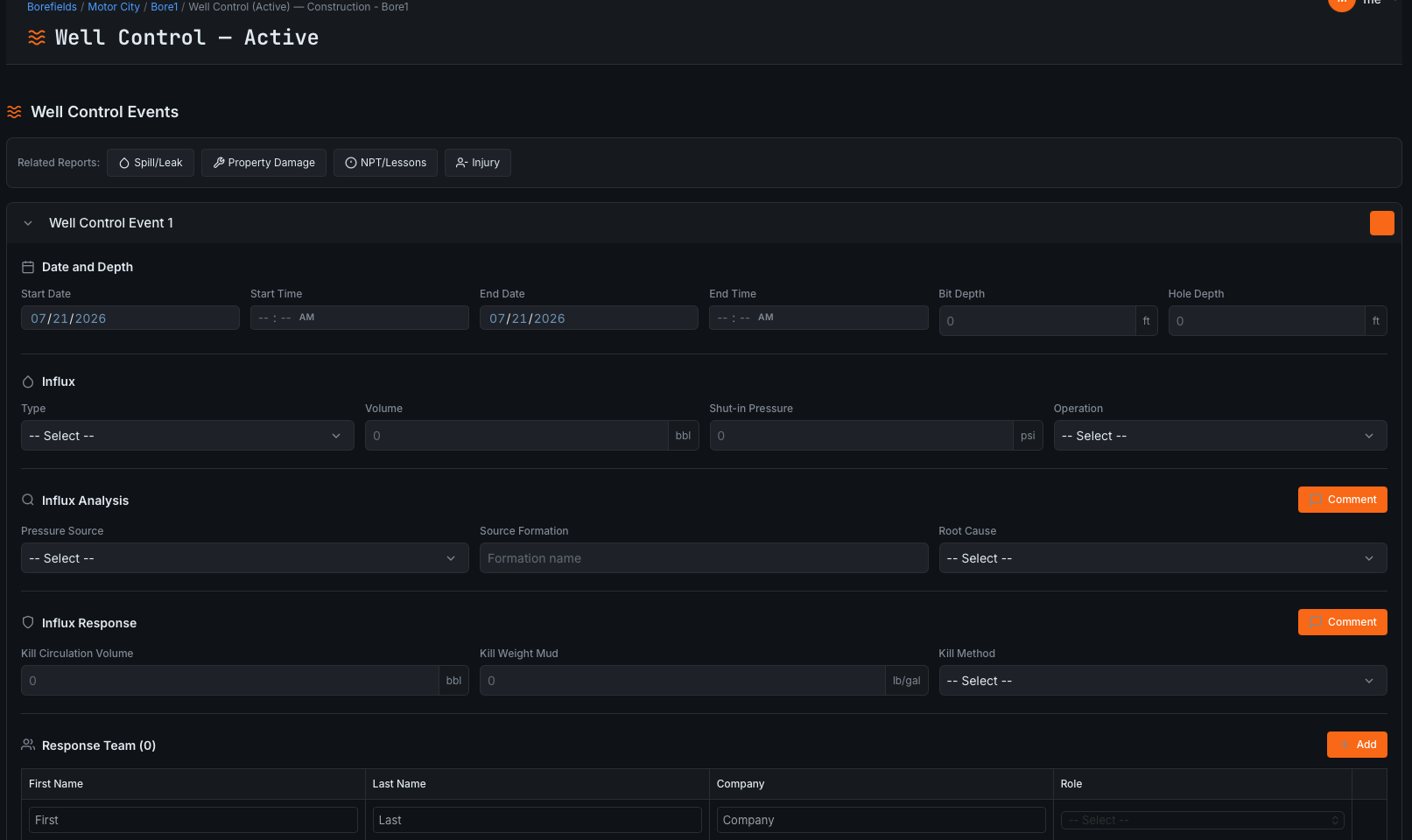
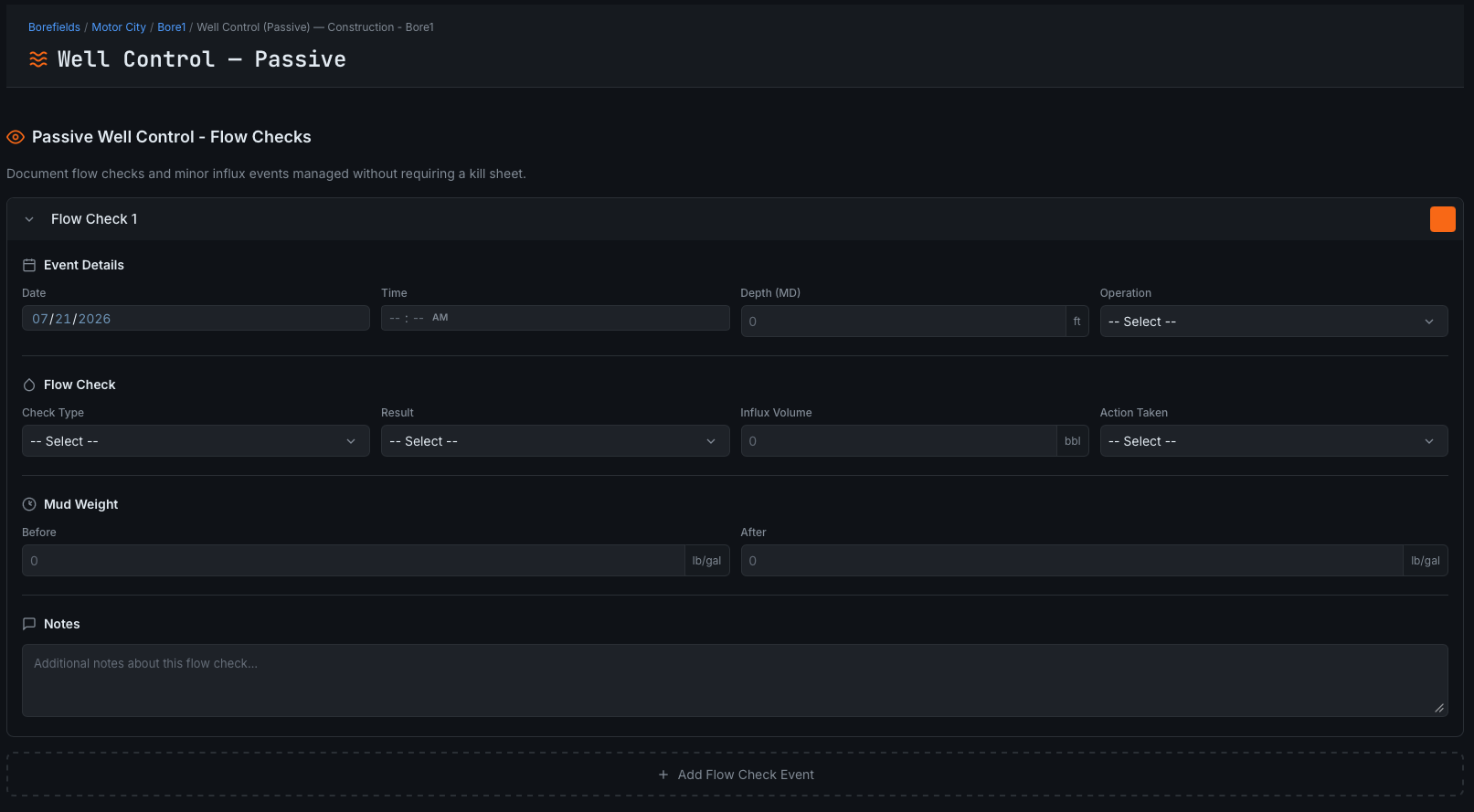
Full chain of custody from exploration through abandonment. Structured geologic capture, drilling telemetry, cost tracking, safety logs, and 20+ report forms — replacing PDFs and paper.
Patented Thermo-Economic Optimizer
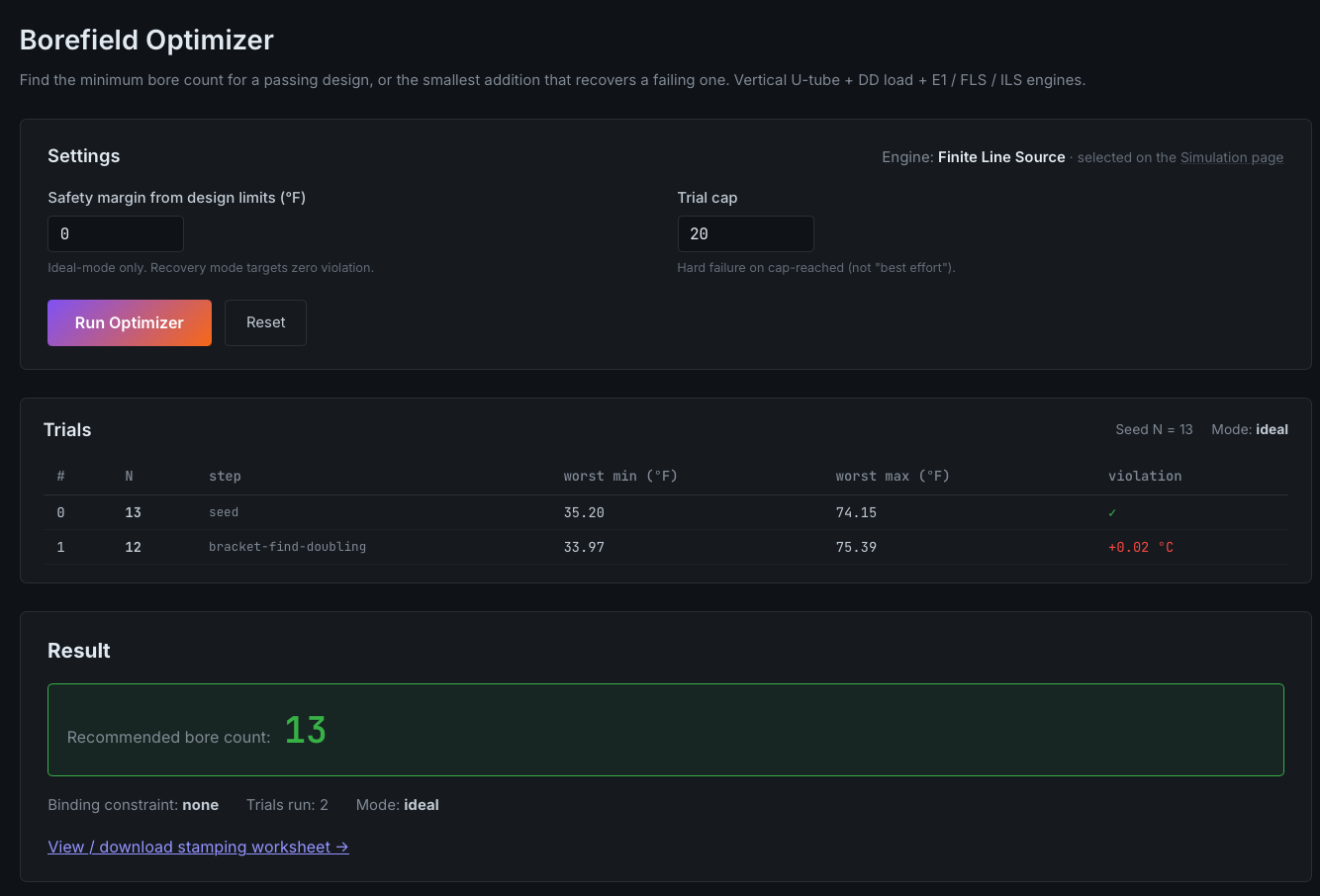
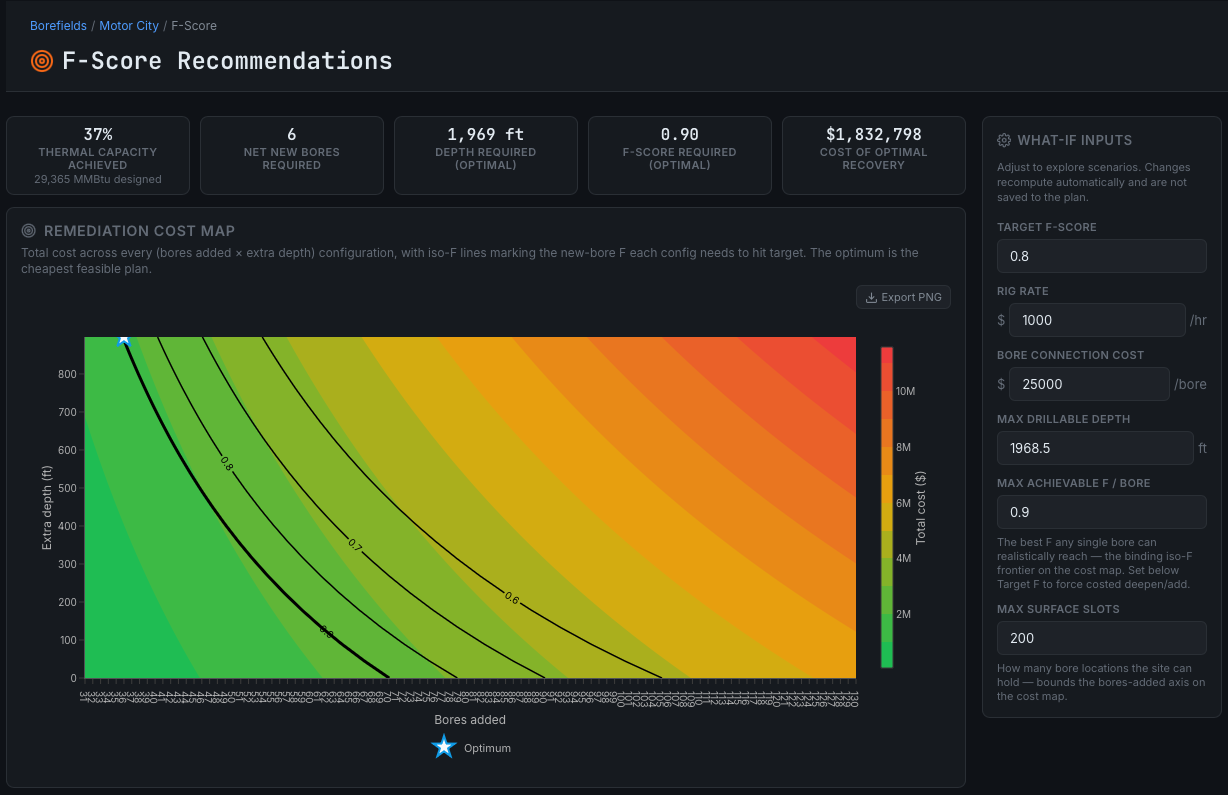
The F-Score engine — OXBO's patented borefield optimization algorithm that ranks expansion and deepening scenarios by thermo-economic performance. Answers the question every owner asks: what's the cheapest way to meet my thermal load?
Automated Offset Planning
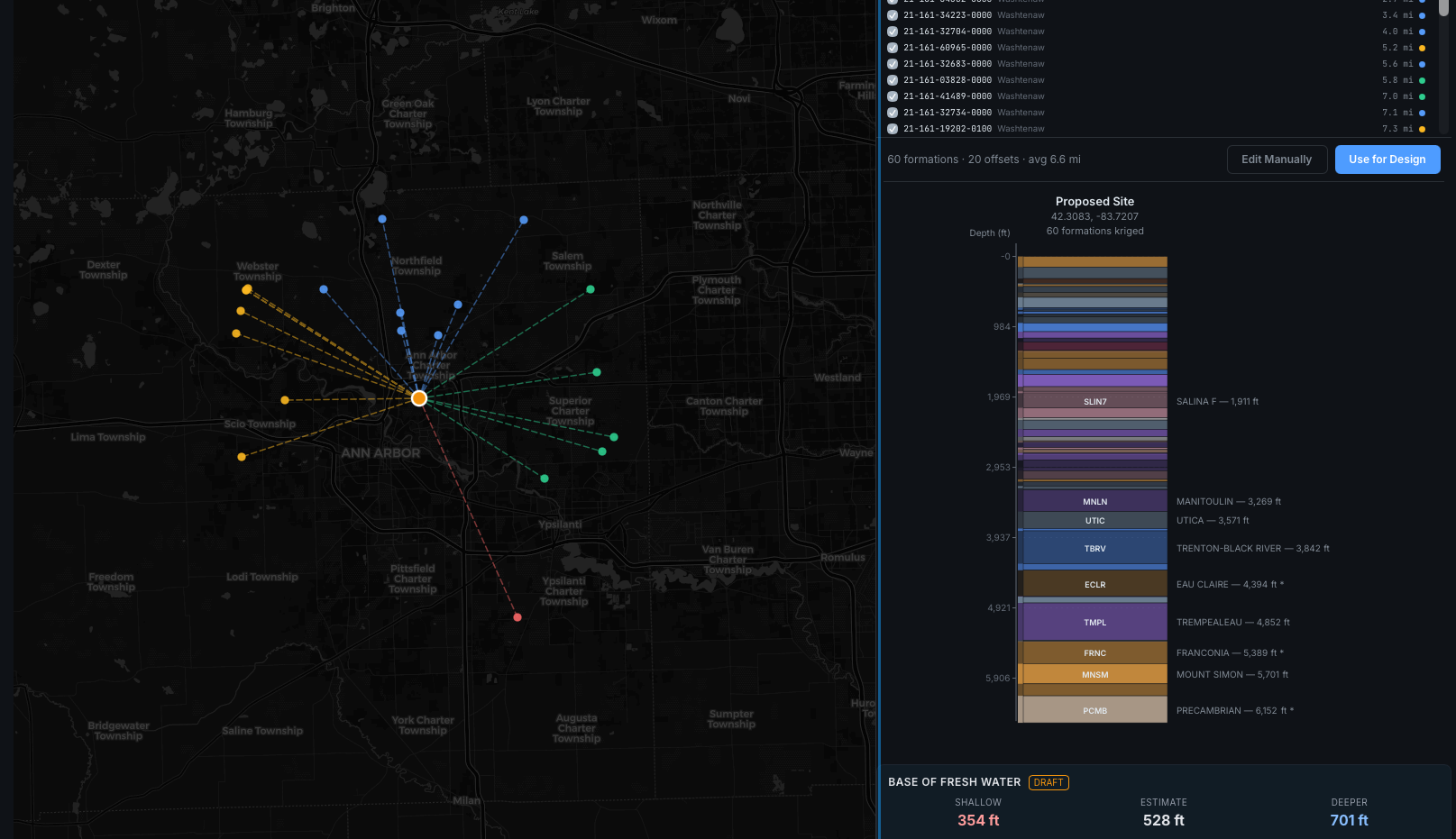
Geospatial offset well analysis with automated stratigraphic correlation — bringing industrial-grade pre-drill planning methodology to geothermal site characterization.
Drilling Analytics & EDR Processing
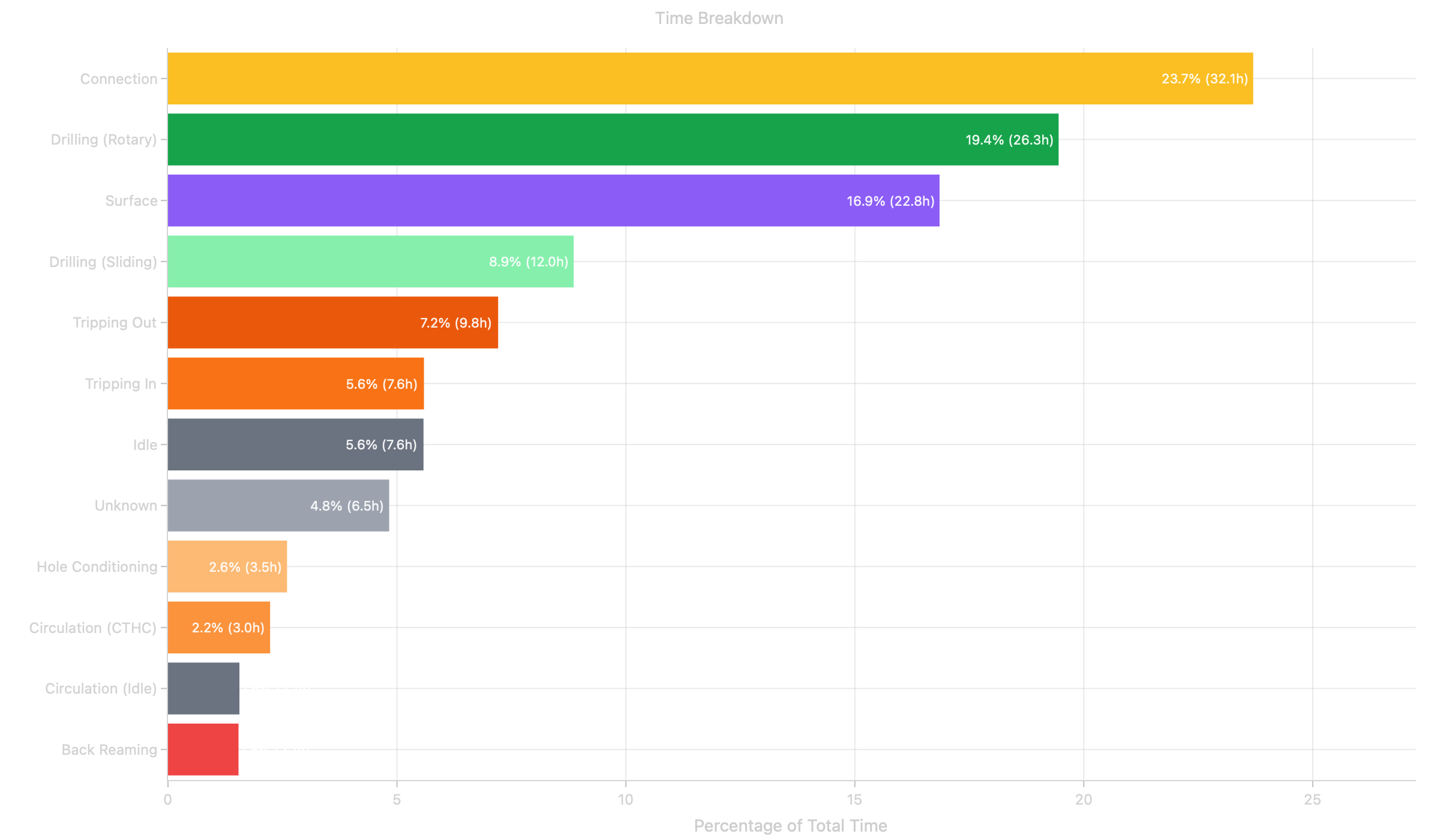
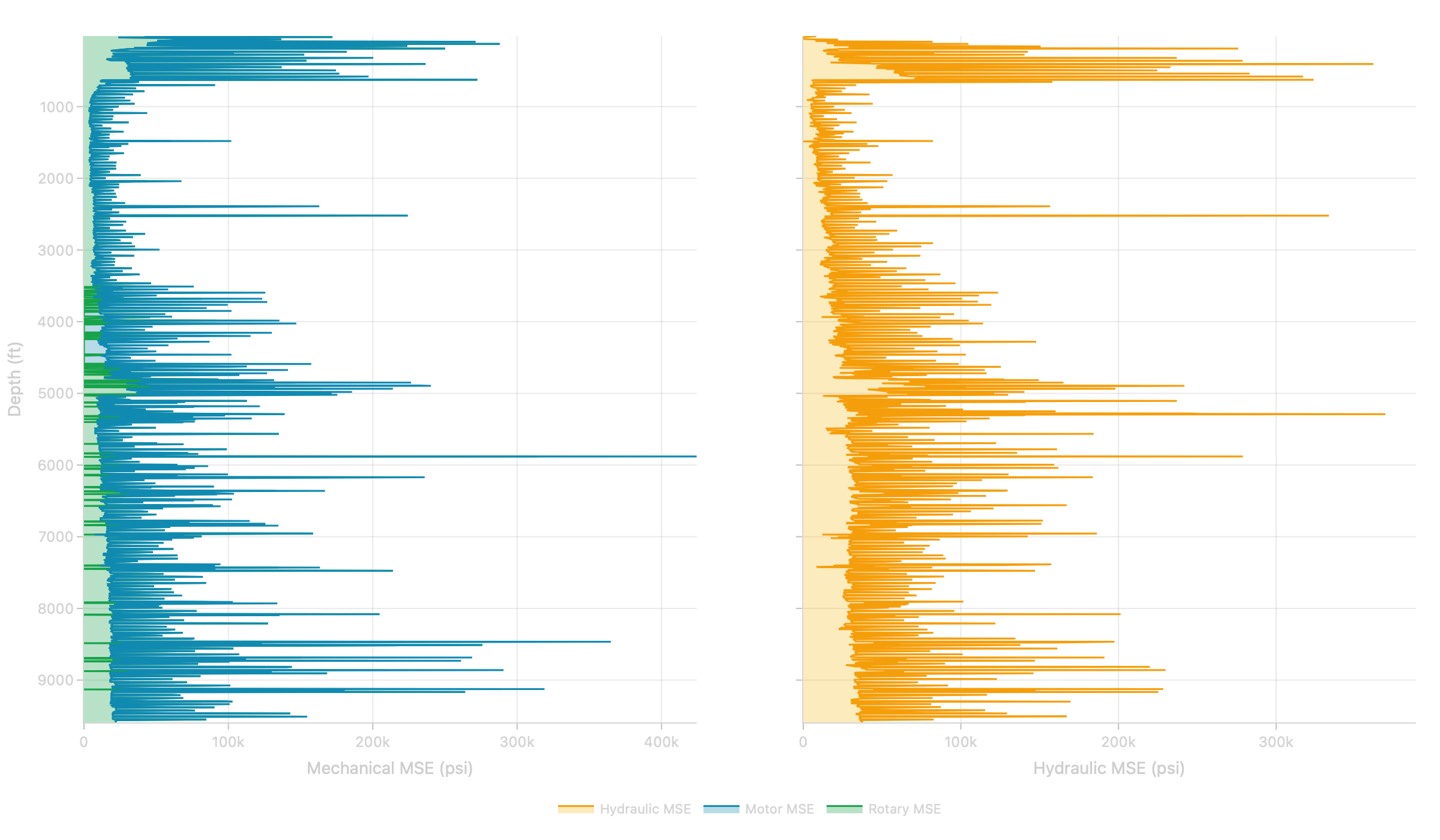
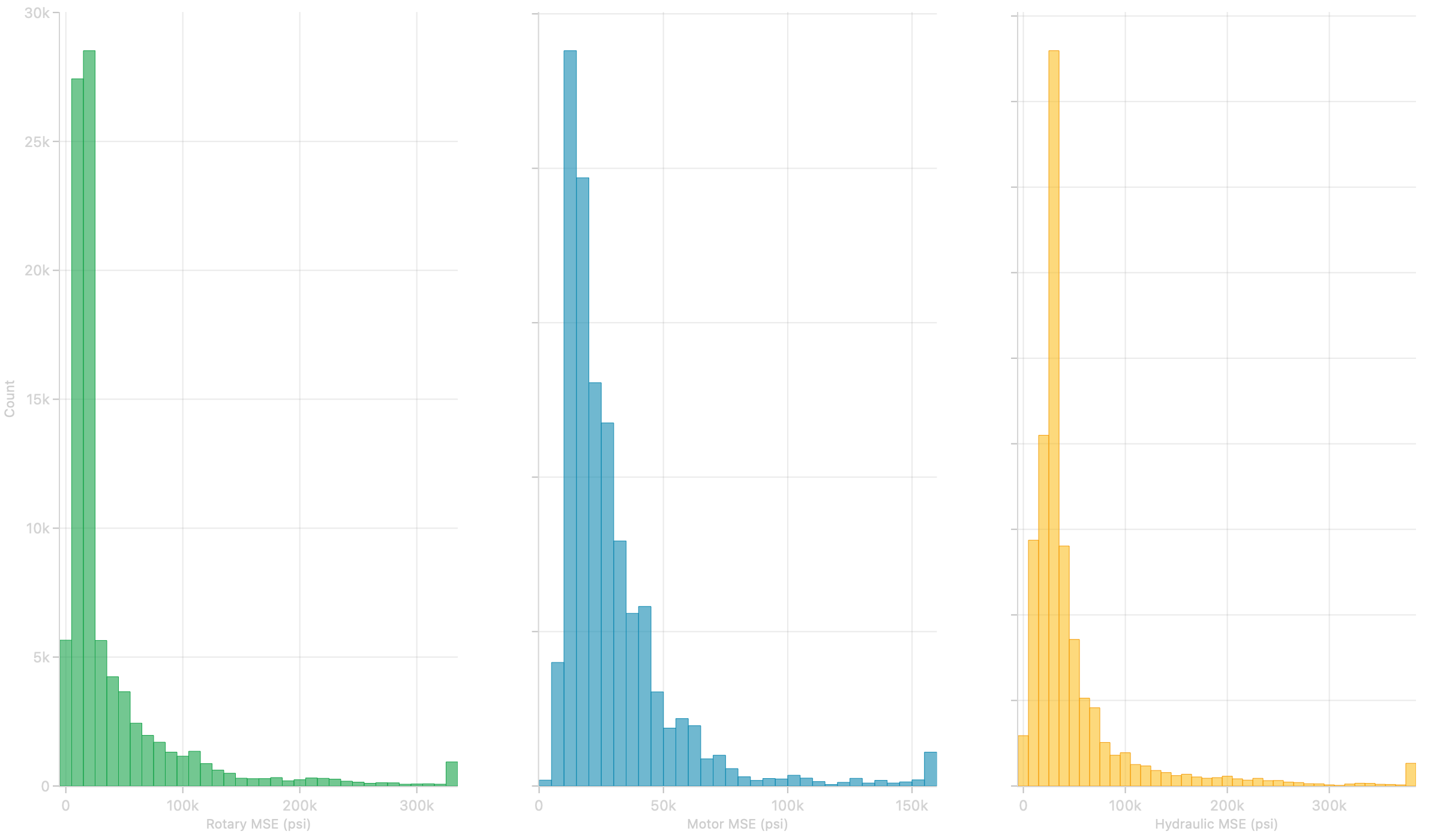
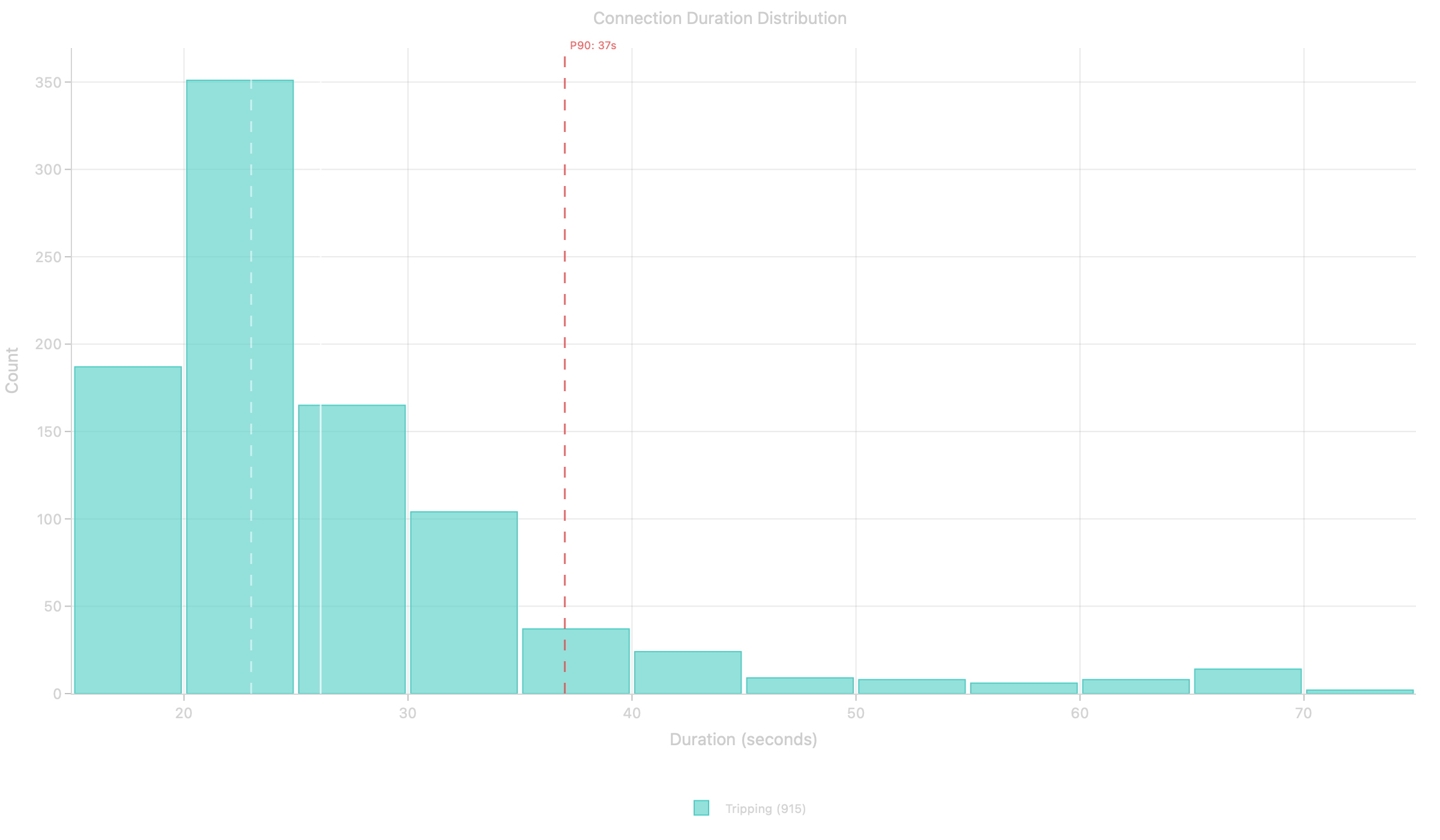
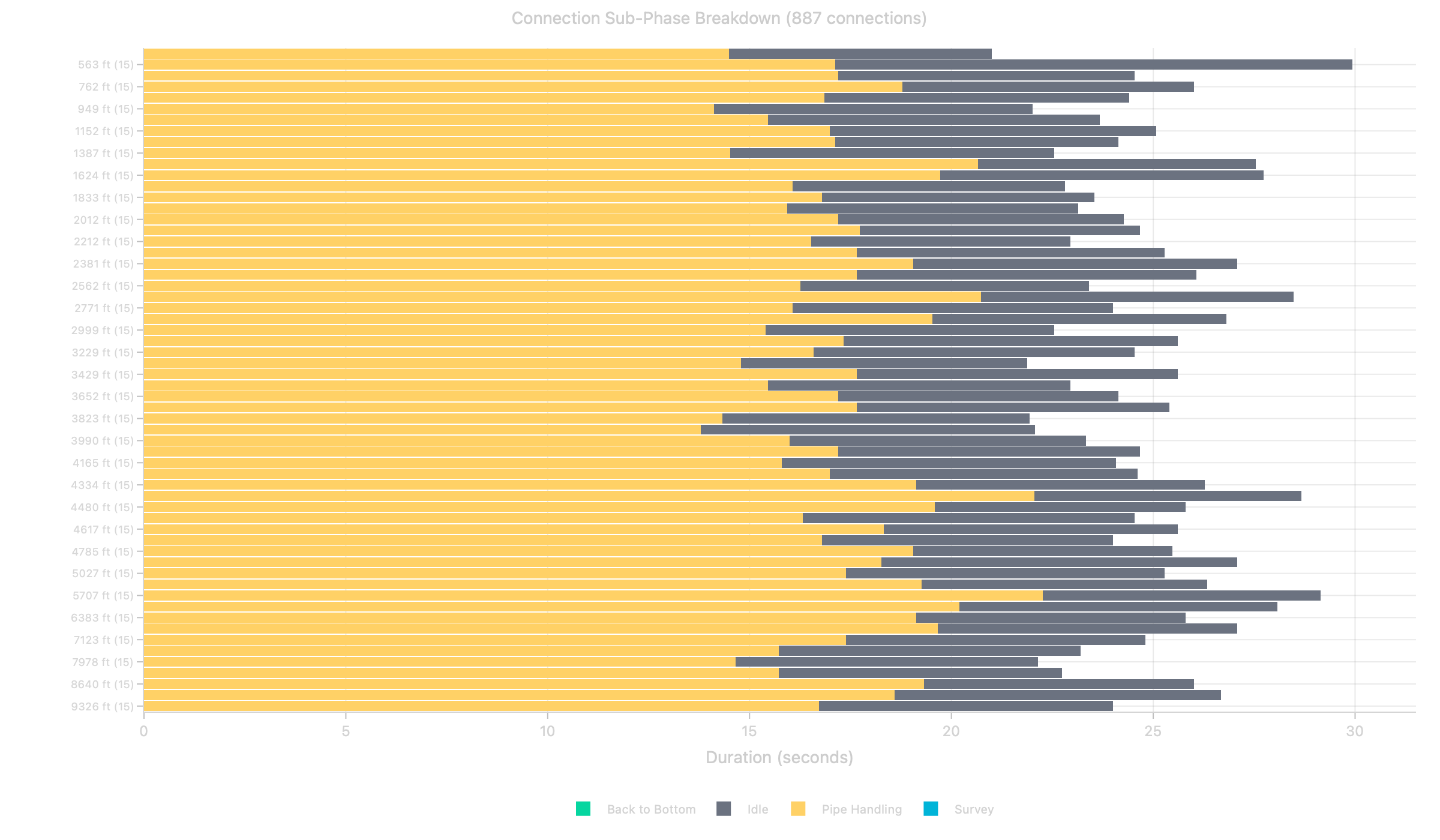
Full EDR analytics engine with rig state classification, mechanical specific energy (MSE) decomposition, time breakdown analysis, and connection-level performance tracking. Built for shallow geoexchange borefields but scales to deep directional bores without modification.
Everything's gonna BIOT-κ.
Trust the κ.
From de ground up…BIOT-κ.
Design it to BIOT-κ.
From de ground up…BIOT-κ.
We did the math. It'll BIOT-κ.
Trust the κ.
Build it to BIOT-κ.
Coming Soon
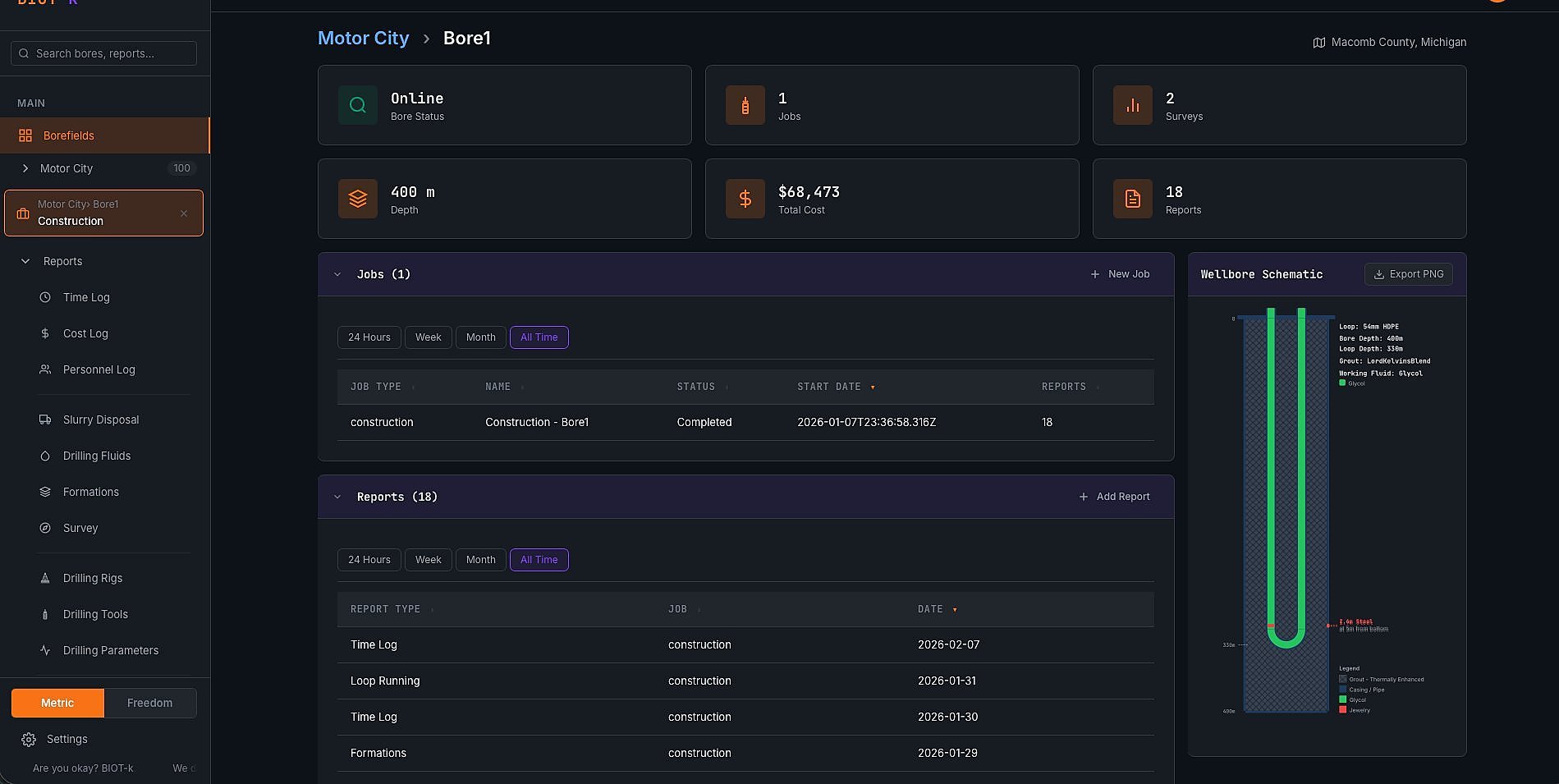
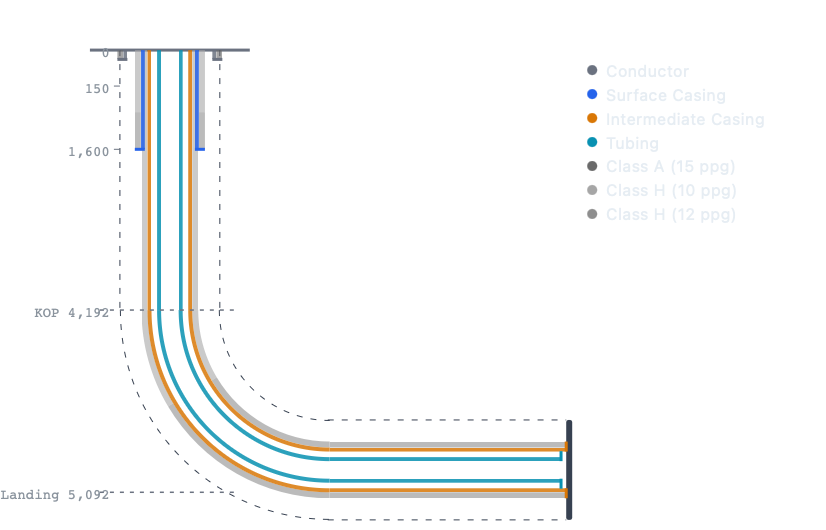
BIOT-κ is built for shallow geoexchange borefields — but its anti-collision models, wellbore schematics, rig state classification, and mechanical specific energy analysis are all built to scale to deep directional bores. The same analytical engine that optimizes a 400-meter vertical bore handles a 5,000-foot horizontal well without modification.
OXBO is engaged in advanced engineering work that extends industrial-grade construction methods to geothermal at depths and scales the conventional industry cannot reach. We are collaborating with major research institutions on feasibility studies that fundamentally reframe the economics of institutional geothermal energy.
Consulting Services
OXBO's founder provides hands-on geothermal engineering consulting to HVAC mechanical engineers, construction managers, drilling contractors, and institutional facility owners — available now, while the platform scales.
On-site and remote drilling oversight, bore deviation analysis, anti-collision management, and construction quality assurance for large institutional borefields.
Independent TRT interpretation using rigorous subsurface engineering methods. Raw data validation, Monte Carlo uncertainty quantification, and design-grade thermal property estimates.
Techno-economic evaluation of deep horizontal coaxial bore systems as alternatives to conventional shallow borefields. Cost modeling, risk analysis, and regulatory pathway assessment.
Independent technical review of borefield designs, thermal simulations, and construction specifications. Quantifying uncertainty and right-sizing the investment.
OXBO's founders have a long history of helping all boats rise. Our team has contributed to transformational standards development and is actively helping build new ones for the geothermal space. Energy is freedom, so the standards should be free.
Technical advisory for institutional decision-makers evaluating geothermal investments. Translating subsurface engineering into the language of boards and capital planners.
The Opportunity
Geothermal construction spend across the U.S. and EU will exceed $1 trillion over the next 20 years. Higher education, K-12, healthcare, military, and commercial campuses are all entering multi-decade geoexchange and district geothermal conversion programs. Every project needs what OXBO builds.
$1T+
U.S. + EU geothermal construction
over 20 years
12.6%
GSHP segment CAGR
through 2030
0
Integrated lifecycle platforms
in the market today
OXBO's software TAM is approximately $200M/year globally, sitting atop the underlying construction market. Revenue scales through per-bore project pricing for designers and construction managers, enterprise SaaS for drilling contractors, and recurring per-bore monthly fees for asset owners. The platform becomes the system of record whether OXBO self-performs or integrates partners through open APIs.
The five-year vision extends beyond software into a vertically integrated geothermal services ecosystem — purpose-built thermal testing instruments, engineering and design services, drilling optimization, and standards development. Each vertical reinforces the others. The more data flows through the platform, the wider the moat becomes. In mature energy services markets, global enterprises have been built on exactly this model. Geothermal has no equivalent today.
The Team
Founder & CEO
Nathan Zenero
Subsurface Engineer · Enterprise Software · Geothermal
Subsurface and industrial engineer with deep enterprise software experience, including former Senior Director of the Global Energy and Industrial IoT Practice at a major Silicon Valley analytics firm.
Patent holder in automated forensic analysis of drillbits using computer vision. Two years of hands-on geoexchange construction and testing experience with the largest construction firms and research universities in the country.
Developer of patent-pending technologies for thermal response test analysis and bore thermal interference modeling.
BIOT-κ is approximately 70% complete toward full commercialization — working software validated through pilot testing with industry partners, not a prototype. The platform includes 20+ report forms, drilling tool forensics, structured geologic data collection, advanced TRT analysis, 3D trajectory visualization, circuit mapping, and a full earth modeling capability.
Brett
VP Sales
Former VP of Industrial Sector Sales at a Silicon Valley tech giant. 25 years positioning technically complex solutions in traditional industrial markets. Understands the buyer, the sales cycle, and how to open doors in energy, utilities, and institutional facilities.
Advisors
David Baker
Senior Geologist · Advisor
New York native with 40 years of experience in hydrogeology and oil and gas exploration. Licensed professional geologist bringing deep subsurface expertise to OXBO's geothermal engineering practice.
Growing team. Near-term hires include a database architect and enterprise architect for production-grade deployment.
Get in Touch
Whether you're evaluating a geothermal investment, planning a borefield, or interested in what OXBO is building — we'd like to hear from you.
Founder's Blog
Technical writing on geothermal engineering, construction standards, and the infrastructure that makes the energy transition work.
Borefield Blind Spot
Why the Borefield Should Be Built to the Standard of the Building It Serves
The institutional building above the borefield is held to witnessed tests, accredited labs, and stamped as-builts at every joint. The borefield beneath it is bought twice on testimonial. That asymmetry has a name, and a fix in C449.
Borefield Blind Spot
Why Drilling Fluid Density Is the Minimum Requirement for Drilling
In shallow geothermal there is no BOP, no diverter, no flare. Mud weight is the only barrier between the crew and the formation. The discipline to manage it is non-negotiable — and shallow geothermal hasn't accepted that yet.
Borefield Blind Spot
Why Turnkey Contracting Is Breaking the Industry
Every vertical bore in the US is sold lump-sum turnkey with subsurface risk on the driller. Land drilling figured out why that fails at scale. When Subterra Renewables filed for creditor protection with 65+ rigs mid-job, geothermal got its lesson too.
Borefield Blind Spot
The borefield is half the cost of a geothermal system — and the half with no enforceable quality standards, no warranties, and no way to verify what you bought will perform. The overdesign that hides this problem is costing the industry billions.
Borefield Blind Spot
Why Deeper Geothermal Loops Are at Risk of Collapse
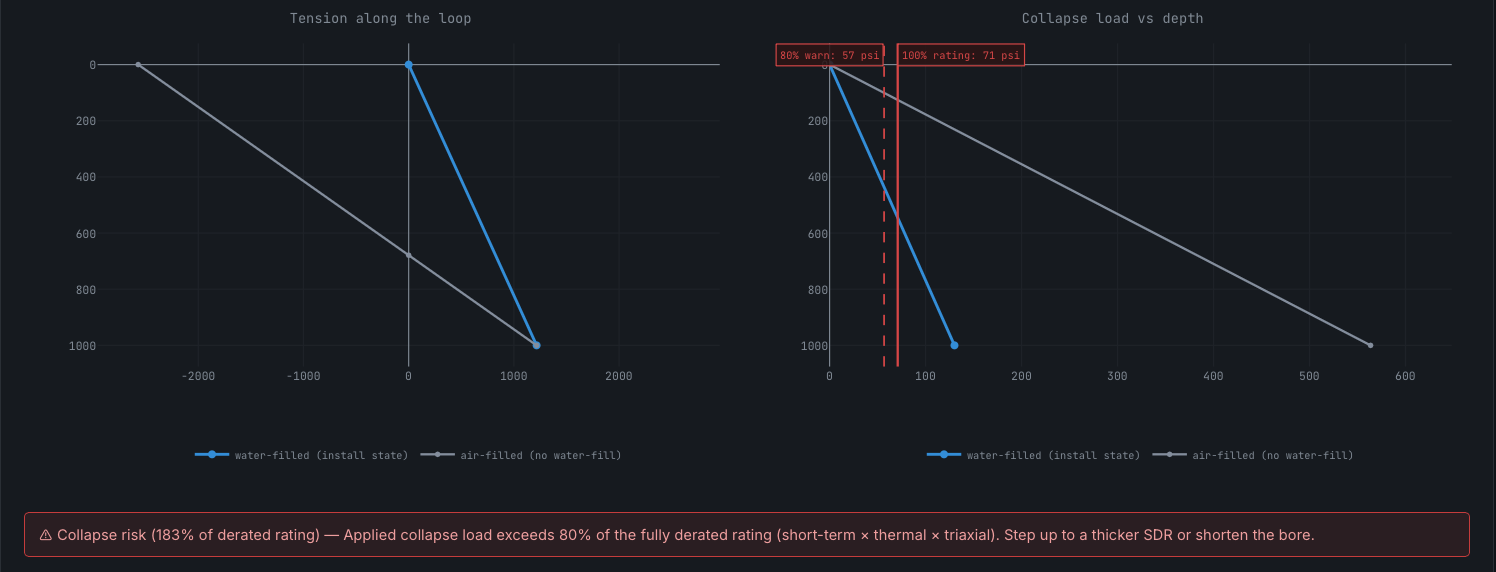
HDPE is a viscoelastic material whose collapse resistance degrades with time, temperature, and sustained load — and manufacturers don't publish long-term external pressure ratings for deep bore conditions. As installations push past 1,000 ft, the risk of collapse is real, largely uncalculated, and growing.
Borefield Blind Spot
Why the Borefield Is Invisible to Every System That Would Make It Bankable
Walt tracks eight thousand tagged assets on a Tuesday. The single largest asset on his campus — a $10M borefield — has none. Without a lifecycle record, it cannot be warranted, insured, or financed.
Monsieur Biot approves